The Misunderstood Place of Comics in Africa’s Creative Landscape
Anyone who has ever attended a comic book fair or geek convention in Africa knows the familiar rhythm. You display a beautifully crafted comic, and before the reader even finishes flipping through it, the questions begin: “Why don’t you turn this into an animation?” “Have you pitched this to a gaming studio?” “This story feels like a movie—are you planning to film it?” While these questions come from genuine excitement, they reveal a widespread misunderstanding of how creative industries actually grow. The assumption is that comics are simply warm-up sketches, prototypes waiting to evolve into their “real” forms like film or animation.
This thinking is not just inaccurate—it is dangerous for the future of Africa’s cultural and creative industries. It strips comics of their rightful place as a powerful medium and reduces them to mere drafts. What many people fail to realize is that without the comic, there would be nothing to adapt in the first place.
Comics as the Origin Point of Global Entertainment Powerhouses

Worldwide, the most profitable and influential entertainment universes began as comics. Marvel and DC built global empires from hand-drawn characters. Japan’s anime giants almost always begin as manga—printed stories that test narrative strength long before a studio invests in animating a single frame. South Korea’s billion-dollar webtoon sector began with creators uploading simple, mobile-friendly comics that later evolved into viral hits, Netflix adaptations and global merchandise.
This is not coincidence. Comics are the narrative laboratories of the entertainment world. They allow creators to explore worlds, experiment with characters and test ideas without requiring massive budgets or giant teams. If a story resonates with readers in comic form, studios pay attention. If it doesn’t, creators can refine it quickly and organically. Ignoring comics means ignoring the engine that fuels the world’s most successful cultural franchises.
Why This Matters Even More for Africa
Africa stands on the edge of a cultural renaissance. Across the continent, creators are producing some of the most original mythologies, sci-fi concepts, fantasy narratives and dramatic storytelling on the planet. Yet many of these stories will never begin as films or animated series because the financial stakes are too high. Investors want evidence. Studios want proof of audience demand. The continent needs a medium that can carry wild creativity without the burden of multimillion-franc budgets.
That medium is comics.
A high-fantasy epic set in Bamenda or a futuristic thriller based in Nairobi may be risky as a film pitch, but as a comic, it is a safe place for experimentation. Comics give imaginative stories a life of their own long before producers or investors show interest. They allow African creators to build worlds as large as their imaginations without waiting for industry permission. And once readers fall in love with these worlds, the transition to animation or film becomes justified and financially sound.
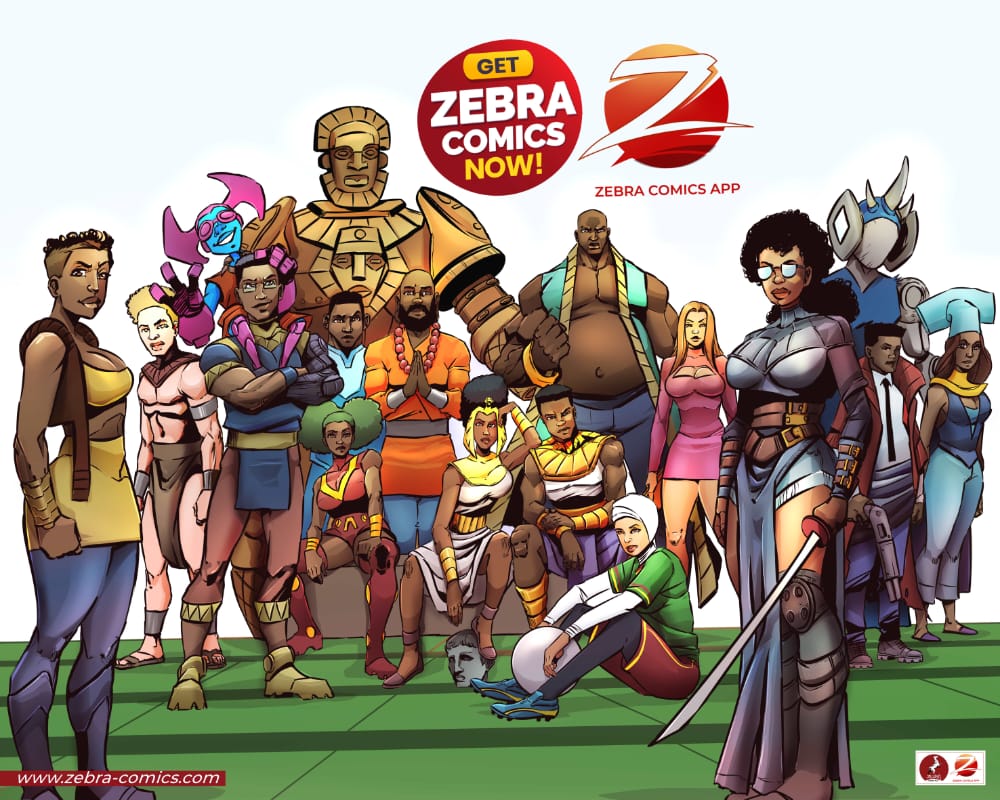
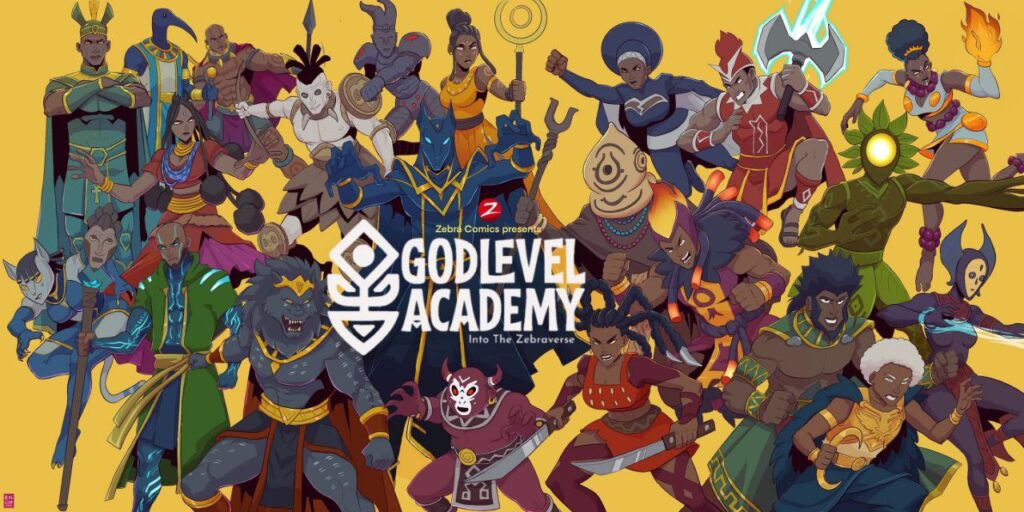
Platforms like Zebra Comics exist specifically for this purpose—to give African stories a home where they can grow, attract readers and demonstrate their potential. When a story gains traction on Zebra Comics, it becomes easier to imagine it as a film, a TV series or a video game because a real audience already cares about it.
Comics as an Independent Economic Force

Beyond their narrative significance, comics also form a major economic sector. Japan’s manga industry alone generates billions of dollars annually. The French bande dessinée ecosystem supports publishers, bookstores, festivals, artists and educational programs. Korean webtoons transformed from a small digital experiment into one of the strongest creative exports in Asia.
Africa can follow this trajectory if we treat comics not as hobbyist art but as a viable industry.
Digital distribution has removed barriers that once held creators back. Physical printing costs, limited bookshops and small local markets used to suffocate African comics before they reached readers. Today, digital platforms such as Zebra Comics App allow creators from Lagos to Kigali to share their work instantly with fans across the world. A new episode can trend globally within hours. A storyline can gain momentum that attracts licensing deals, partnerships and adaptation opportunities.
Ignoring comics, then, becomes not only a cultural oversight but an economic misstep. If we undermine comics, we undermine the pipeline that could feed Africa’s animation studios, game developers, filmmakers and merchandise creators for decades.
The Cultural Risk of Neglecting Comics
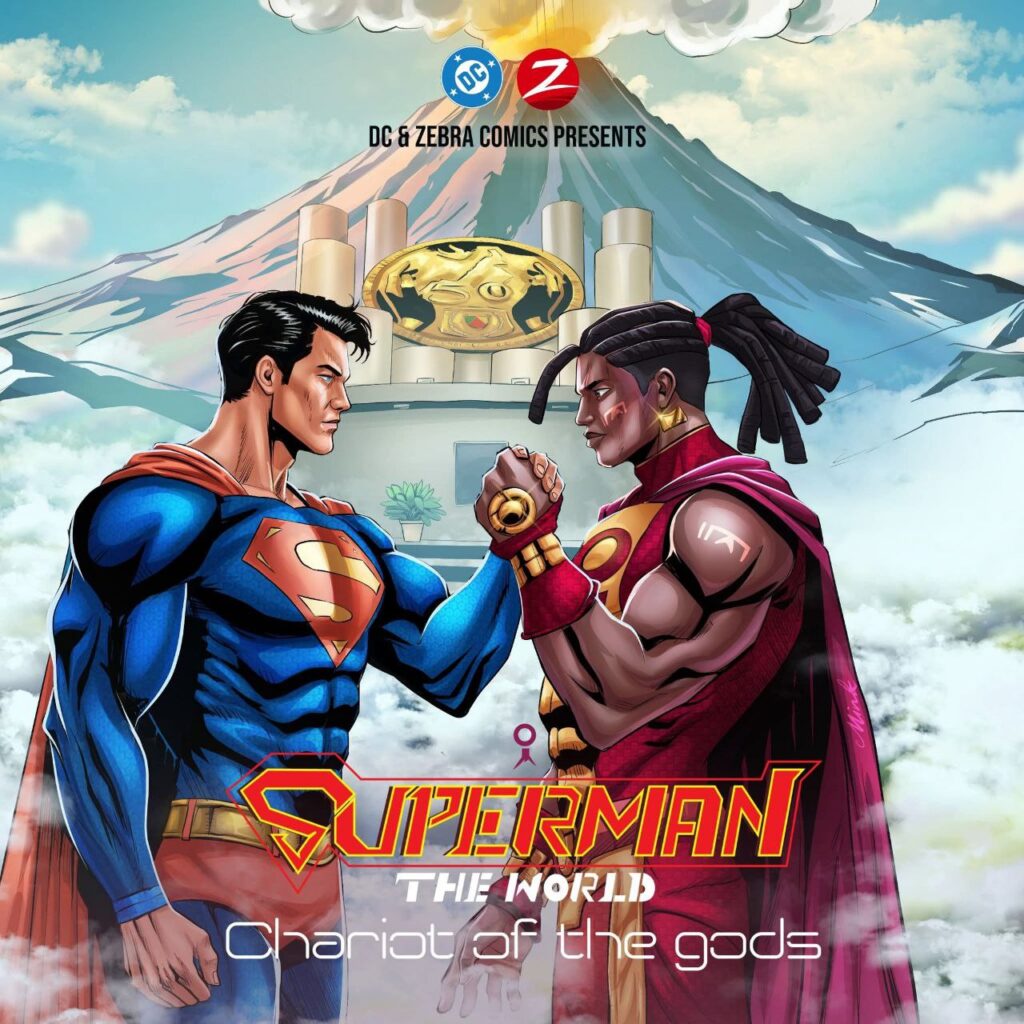
Creatively, the risk is even greater. If Africa does not invest in comics, we risk delaying our role in global storytelling. Comics help us define our own narratives before other cultures reinterpret them. They help us control the mythologies we export. They allow African creators to lead the conversation about African identity, futurism, heroism and imagination.
Without a strong comic culture, African stories remain vulnerable—either ignored or adapted by others who might dilute, distort or commercialize them without respecting their origins. Comics safeguard cultural ownership. They help us write our own versions of who we are and who we want to be.
In the global entertainment economy, comics are the backbone. They are the creative spark that ignites entire industries. When Africa takes comics seriously, the continent builds a foundation for film, animation, gaming and multimedia storytelling to thrive.
Ignoring them would be a costly delay. Embracing them could shape a cultural future where African stories lead on the world stage.
FAQ
- Why are comics foundational for Africa’s creative industries?
They establish characters, worlds and fanbases early, proving story viability long before costly adaptations begin. - Can African comics succeed globally?
Yes. Through platforms like Zebra Comics, African stories are already reaching international audiences and gaining traction. - Why not go straight to animation or film?
Because those industries require substantial funding and carry high risk. Comics offer low-cost experimentation and audience validation. - Where can I read top African comics today?
- Visit zebra-comics.com to explore a wide library of African fantasy, sci-fi, romance and action titles.
Article Written by Franklin Agogho