The future of African comics won’t be built by the creators with the best ideas. It will be built by the creators who stay long enough to finish them.
Every Comic Creator Starts with a Dream

Every year, thousands of aspiring comic creators begin the journey of telling their stories. They spend months developing characters, refining their art style, writing scripts, and finally publishing the first chapter of a comic they have dreamed about for years. For a brief moment, the excitement is overwhelming. Friends and family congratulate them, readers begin to trickle in, and the dream of becoming the next great comic creator suddenly feels within reach.
Then reality sets in.
The views aren’t as high as expected. Comments are few. Revenue is either small or nonexistent. After publishing a handful of chapters—sometimes only one or two, sometimes ten or twenty—the updates become less frequent until they stop altogether. Eventually, the comic quietly disappears, joining thousands of unfinished stories scattered across the internet.
Many creators interpret this as failure.
In reality, they may simply have quit during the exact stage that almost every successful comic creator has had to endure.
The Success Stories We See Are Missing the Hardest Years
The modern comic industry has created a dangerous illusion. Readers discover One Piece, Naruto, Dragon Ball, Solo Leveling, Lore Olympus, Tintin or Batman as complete success stories. What they rarely see are the years of relentless work that came before worldwide recognition.

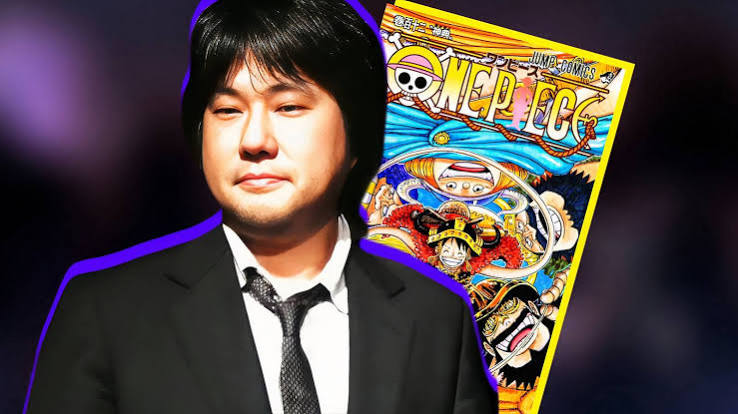
Eiichiro Oda has been serializing One Piece since 1997, producing well over 1,100 chapters across nearly three decades. Masashi Kishimoto spent 15 years creating Naruto, ending the series after 700 weekly chapters. Akira Toriyama dedicated more than a decade to Dragon Ball, producing 519 chapters that helped redefine manga around the world. In the Franco-Belgian tradition, Hergé spent almost fifty years building The Adventures of Tintin. Even in the world of digital comics, many of today’s best-known webtoons reached well over one hundred episodes before becoming global phenomena.
These creators did not become successful because they created one exceptional chapter.
They became successful because they created the next chapter, and then the one after that.
Why Consistency Beats Short Bursts of Talent
This is perhaps the hardest lesson for any creator to accept: comics reward consistency far more than they reward short bursts of brilliance.
Unlike a film or a novel, comics are built through serialization. Every chapter is another opportunity for a new reader to discover your story. Every update reminds existing readers to come back. Every new episode strengthens the relationship between creator and audience. In other words, comics don’t grow like lottery tickets; they grow like compound interest. The longer you consistently invest in your story, the greater the opportunity for readers to find it.

This is especially true in today’s digital world. Whether readers discover comics through dedicated apps, search engines, social media, or recommendation algorithms, a creator with one hundred chapters simply has far more opportunities to be discovered than a creator with five. A larger catalogue creates more entry points, encourages binge reading, increases reader retention, and gives platforms more opportunities to recommend the work.
That doesn’t mean quality doesn’t matter. It absolutely does.
But quality without consistency rarely has enough time to find its audience.
Stop Comparing Your Beginning to Someone Else’s Finish
Many creators unknowingly compare their beginning to someone else’s breakthrough. They compare Chapter 3 of their comic to Chapter 1,100 of One Piece. They compare six months of work to careers that have lasted ten, fifteen or even thirty years. No creator can win that comparison because it ignores the one resource every legendary creator invested more than anything else: time.

One of the greatest misconceptions about the comic industry is that talent alone determines success. Talent certainly opens the door, but discipline keeps it open. History is full of brilliant artists whose projects never reached completion. At the same time, many creators who were far from perfect when they started improved dramatically simply because they kept publishing. Their storytelling became tighter, their artwork became stronger, and their understanding of readers deepened with every chapter they produced.
The comic itself became their teacher.
Why This Matters Even More for African Comic Creators
For African creators, this lesson is even more important because our industry is at a unique moment in history.
Unlike Japan, the United States, France, Belgium or South Korea, Africa’s digital comics ecosystem is still in its early stages. More readers are discovering webcomics every year. More digital platforms are emerging. More publishers, investors and international partners are beginning to pay attention to African stories than ever before.
That also means something remarkable.
The first generation of globally recognized African webcomic creators has not yet been fully established.
History is still being written.
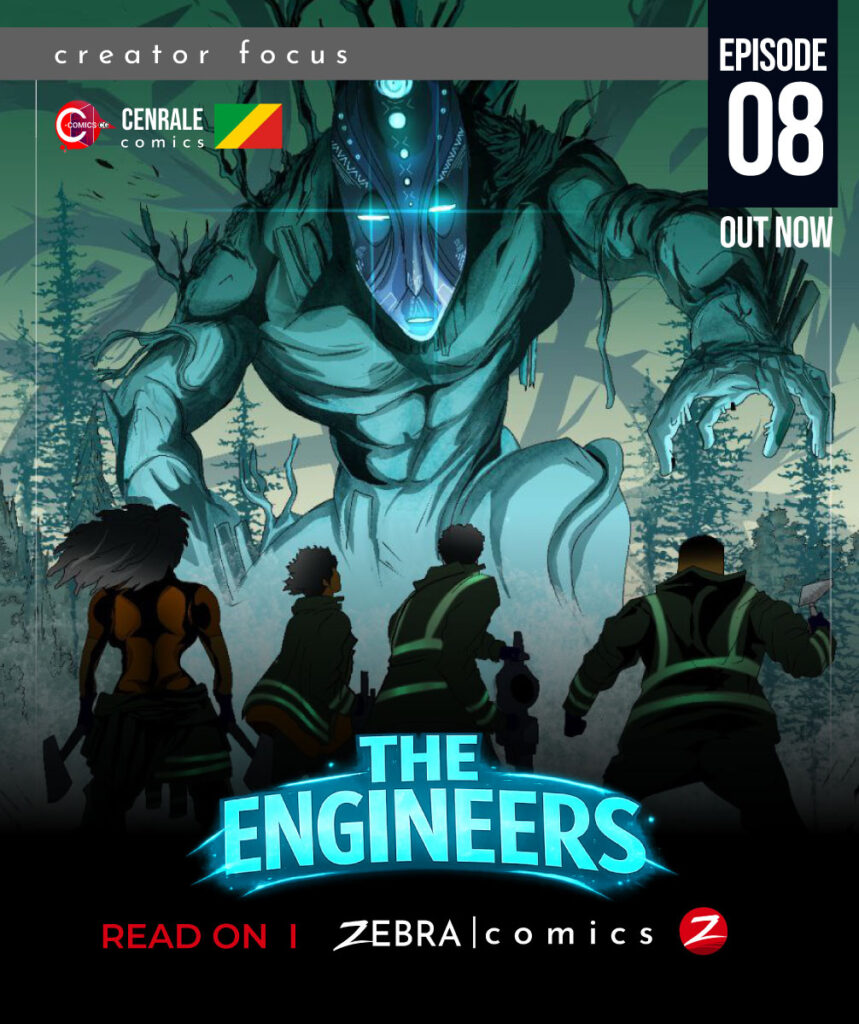
Every major comics industry had pioneers who helped define it. Japan had Osamu Tezuka and the generations that followed. The United States had creators who built the foundations of Marvel, DC and independent comics. France and Belgium developed a rich tradition through creators such as Hergé, René Goscinny and Albert Uderzo. South Korea embraced digital publishing long before webtoons became a worldwide phenomenon.
Africa now stands at a similar crossroads.
The creators who publish consistently over the next five or ten years may become the names future generations associate with the birth of modern African webcomics. That opportunity is extraordinary—but it also demands patience.
Build the Industry You Want to See
It is easy to look at today’s African comics market and focus on what it lacks. The audience is still growing. Funding remains limited. Professional studios are relatively few. Many creators still juggle comics with school or full-time jobs. These are genuine challenges.
But every emerging industry has looked exactly like this at the beginning.
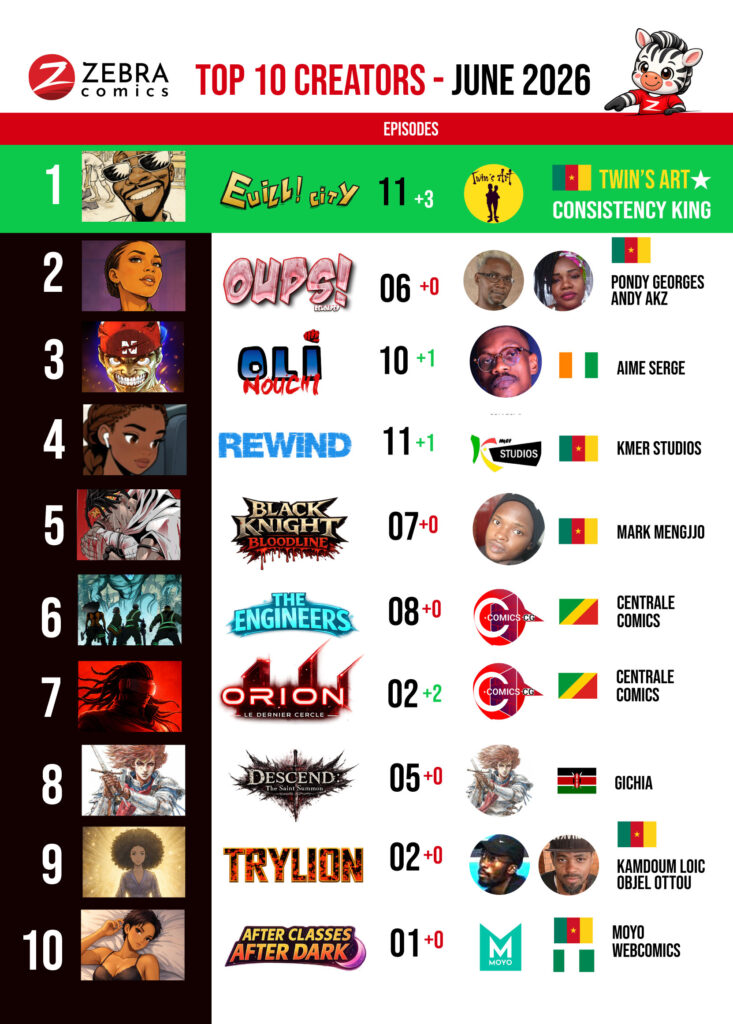
The creators who eventually became pioneers were not the ones who waited for the industry to mature before committing to it. They were the ones who helped build it.
That is why consistency is not simply a personal habit. It is an investment in an entire creative ecosystem. Every completed chapter strengthens your portfolio. Every finished series raises the standard for the next generation. Every creator who refuses to quit makes African comics stronger.
The Future Belongs to the Creators Who Keep Going
If you are creating comics today, remember this: your first few chapters are not the final verdict on your career. They are simply the opening pages.
Readers need time to discover you.
Your skills need time to grow.
The market needs time to mature.
Most importantly, your story needs time to earn its place.
Years from now, people will celebrate the creators who helped shape the future of African comics. They will call them pioneers. They will admire their success and wonder how they made it look so effortless.
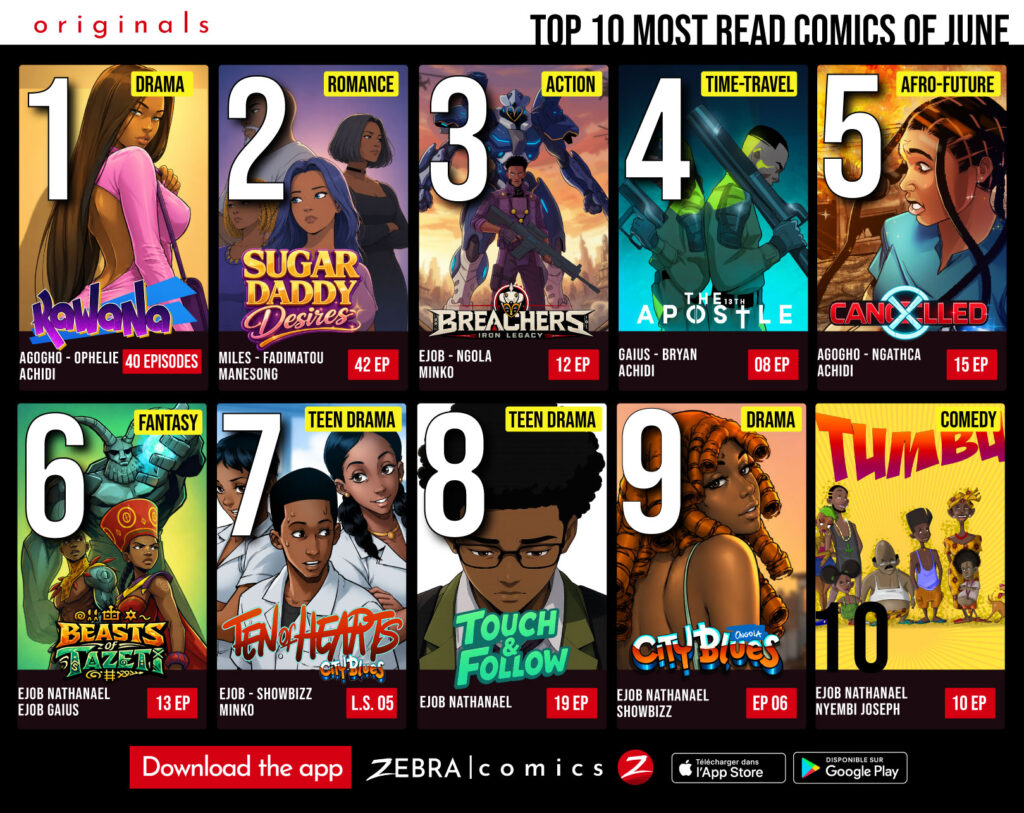
What many people won’t see are the hundreds of pages, the late nights, the moments of doubt, and the countless chapters created long before the world was paying attention.
The future of African comics will not belong to the creators who started first.
It will belong to the creators who simply refused to stop.
Frequently Asked Questions
Why do most comic creators quit?
Many creators stop because they expect significant readership, income or recognition within their first few chapters. In reality, successful comics often take years of consistent publishing before they build a loyal audience.
How many chapters should I publish before expecting success?
There is no magic number. However, many successful manga and webtoon creators produced hundreds of chapters or episodes over several years before becoming internationally recognized. Focus on building a long-term catalogue rather than chasing immediate results.
Is consistency more important than talent?
Talent is important, but consistency is often what separates professional creators from those who abandon their projects. Publishing regularly allows creators to improve their storytelling, build an audience and create more opportunities for discovery.
Is now a good time to become an African comic creator?
Yes. Africa’s digital comics industry is still emerging, which means today’s creators have a rare opportunity to help shape the future of African comics and African webcomics. As more readers, publishers and digital platforms enter the market, creators who have built consistent bodies of work will be well positioned to benefit.
How can I grow my webcomic audience?
Create consistently, improve your storytelling with every chapter, engage with your readers, share your work on social media, publish on reliable digital platforms, and think long-term. Great comic careers are usually built over years—not weeks.
Why are African webcomics important?
African webcomics allow creators to tell authentic African stories, preserve culture, reach readers across the world and build intellectual property that can expand into animation, games, film and publishing. The growth of African webcomics is creating new opportunities for creators across the continent.