When Pencil Was the Industry
Just over a decade ago, the world of African comics felt small, almost fragile.
If you walked into a creator’s workspace in Lagos, Nairobi, Yaoundé or Johannesburg, you would hear the scratch of pencil on thick paper. Ink-stained fingers. Erasers worn thin from correction. Pages stacked carefully, knowing that one mistake could mean starting over.
Publishing was physical. Distribution was local. And there was confidence — even defiance — in the belief that digital would never replace print. Many insisted that African comics would remain rooted in paper. That tablets were a distraction. That “real art” required texture.
Then the tablets improved.
And quietly, almost reluctantly, the shift happened.
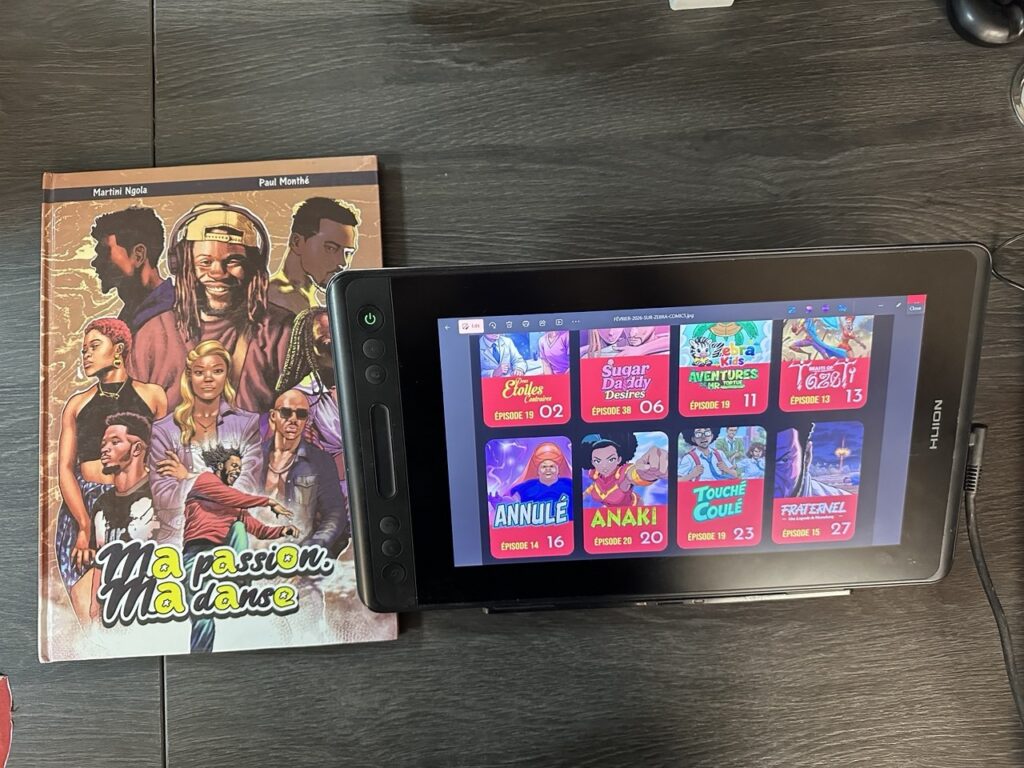
Today, most serious creators across the African comics landscape work digitally. Not because they abandoned tradition. But because efficiency, collaboration, and speed became survival tools. The pencil did not disappear.
It adapted.
The Webtoon the Turning Point
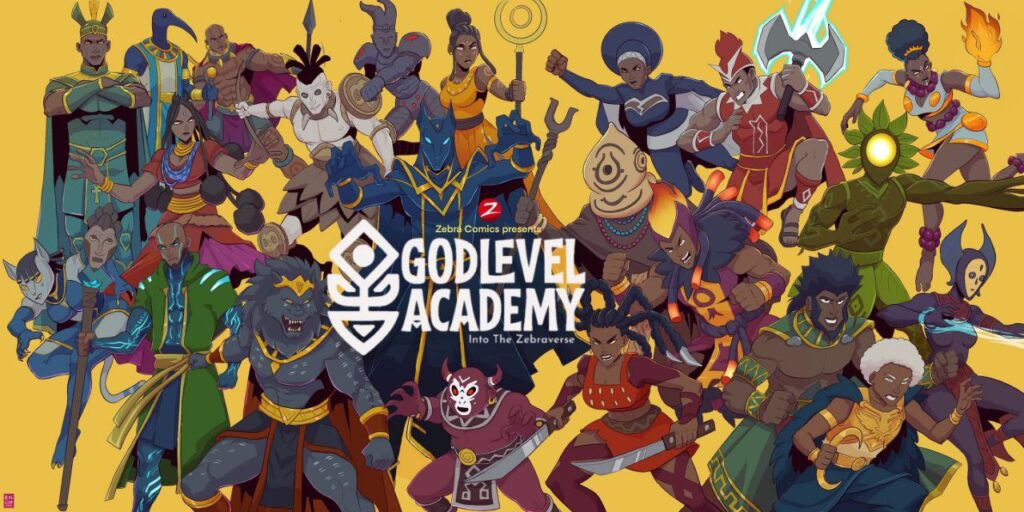
The same resistance greeted webtoons.
When vertical scrolling formats began dominating in South Korea and spreading globally, many African creators dismissed them as inferior. The page had history. Composition rules were sacred. Endless scroll felt like compromise.
Yet audiences were already reading on their phones.
Today, webtoons generate billions globally. They have redefined consumption habits. They have turned digital platforms into IP incubators. Across Africa, creators who once resisted now publish in scroll format because the market has spoken.
Storytelling does not collapse when format changes.
It evolves.
The Real Debate: Identity or Industry?
Beneath these transitions lies a deeper philosophical divide shaping the future of African comics.
The purist argument insists that before scaling commercially, African comics must establish a distinct identity. Focus on folklore. Spirituality. Ancestral systems. Indigenous aesthetics. Avoid imitation. Build cultural purity first.
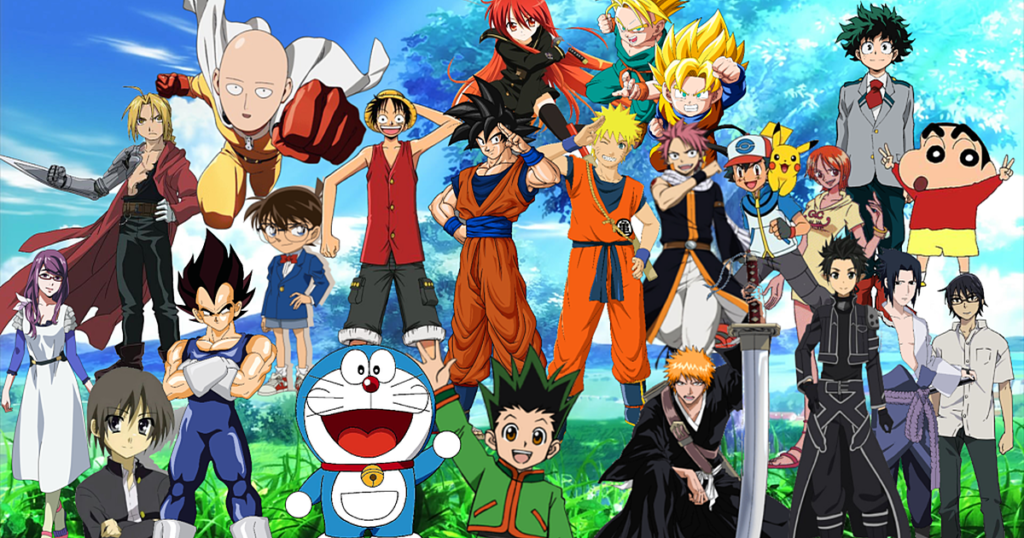
The example often cited is Japan. Osamu Tezuka studied Walt Disney. Later artists like Katsuhiro Otomo and Akira Toriyama absorbed Western influences before refining something unmistakably Japanese.
But here is what is often overlooked:
Manga did not grow in a vacuum.
Japan built serialization systems. Magazine distribution networks. Editorial pipelines. Commercial publishing engines. Identity and industry matured together. There was no waiting period where artistic purity was perfected before scaling.
Infrastructure made identity sustainable.
That distinction matters deeply for African comics.
The Cost of Waiting
The commercial worldview argues something uncomfortable but necessary: without strong systems, digital platforms, payment integration, monetization models, IP management frameworks, African comics will remain culturally rich but economically fragile.
For years, promising African comics collapsed not because of weak storytelling, but because print was expensive, distribution fragmented, and piracy relentless.
Digital platforms are beginning to solve this. Mobile-first consumption aligns with African demographics. Mobile money integration expands access. Cross-border digital distribution removes physical bottlenecks.
Commerce, in this context, is not selling out.
It is strategic defense.
Because if African comics focus excessively on purist debates while neglecting structure, foreign platforms, better funded, more organized, and globally experienced — will fill the gap. Market share does not wait for philosophical alignment. Audiences will consume what is available, accessible, and consistent.
Cultural purity without distribution becomes cultural invisibility.
Beyond Folklore vs Sci-Fi
Another tension within African comics concerns genre.
Some argue creators should focus strictly on folklore and ancestral storytelling before exploring science fiction or speculative futures.
But Africa is not suspended in history.
The continent has one of the youngest populations in the world. Urbanization is accelerating. Mobile penetration is high. Young Africans consume anime, Marvel films, Nollywood, and Afrofuturist literature in the same afternoon.
Writers like Nnedi Okorafor have shown that African-rooted science fiction resonates globally. Afrofuturism is not abandonment of tradition.
It is tradition projected forward.
Restricting African comics to historical narratives alone risks narrowing imagination in a generation that lives digitally and thinks globally.
Roots Need Revenue
The danger lies in extremes.
Purism without commercial thinking romanticizes struggle. It can unintentionally trap creators in cycles of underfunded passion projects.
Commercialization without cultural grounding risks imitation and surface-level representation.
But this is not a binary choice.
African comics need both roots and revenue.
Identity must evolve alongside infrastructure. Cultural conviction must fuel scalable systems. Scalable systems must finance creative risk.
Industries do not grow by choosing philosophy over structure. They grow when both mature together.
The Strategic Path Forward
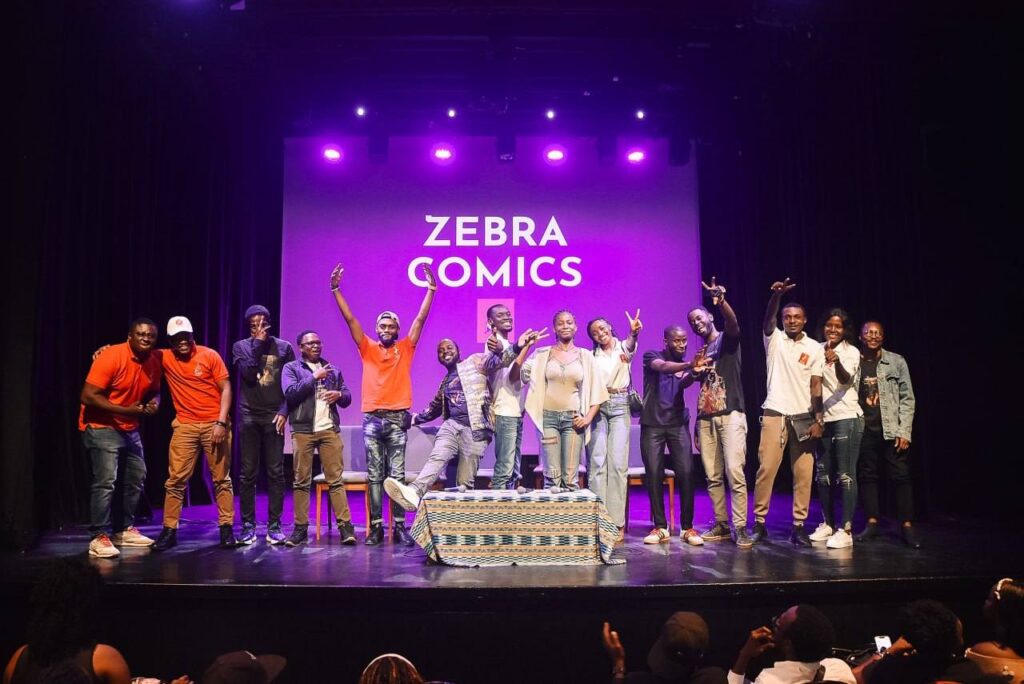
The African comics industry stands at a decisive moment.
Digital tools are available. Global audiences are reachable. Mobile ecosystems are expanding. The question is no longer whether African creators have talent.
They do.
The question is whether the industry will build systems strong enough to retain ownership of its narratives in a competitive global environment.
If African comics industrialize strategically, they can define their voice on their own terms.
If they hesitate, others will industrialize Africa’s stories for them.
The debate between purist and commercial is not about choosing sides.
It is about recognizing that survival requires structure, and structure enables culture.
The future of African comics will not be decided by ideology.
It will be decided by execution.
Frequently Asked Questions (FAQ)
What are African comics?
African comics are graphic storytelling works created by African artists or rooted in African cultural, social, and contemporary contexts, spanning genres from folklore to science fiction.
Should African comics focus only on folklore?
No. While folklore is foundational, modern African realities also include urbanization, technology, migration, and global exchange. Genre diversity strengthens the industry.
Did Japan build its manga identity before commercial growth?
No. Manga identity evolved alongside strong publishing systems and serialization structures. Artistic development and commercial infrastructure progressed simultaneously.
Why is commercialization important for African comics?
Commercial systems, digital platforms, monetization strategies, payment integration, and intellectual property management, allow creators to earn sustainable incomes and scale globally.
Can commercialization harm authenticity?
It can, if profit becomes the sole priority. However, when balanced properly, commercialization provides the resources necessary to protect and expand authentic storytelling.
What does the African comics industry need most today?
A balance of cultural conviction and structured infrastructure to ensure sustainable growth and global competitiveness.