Tag: free comics

  • Is Manga Piracy Really Cheap?

    Is Manga Piracy Really Cheap?

    How “Free” Becomes the Most Expensive Choice in Africa

    If manga piracy were truly the cheapest path to reading, Africa would already be home to several dominant comic industries — studios buzzing with creation, artists earning sustainable incomes, and digital platforms flourishing like their Japanese and Korean counterparts. But for something that feels “free,” piracy has cost Africa more than we dare to admit.

    As we explored in The Manga Craze and the Impact of Piracy on African Content, piracy is not merely a criminal act — it has become so normalized that some users boldly claim they are “helping us” by pirating the Zebra Comics app. That statement reveals a belief system shaped by decades of scarcity, not by the reality of today’s digital world.

    I admit my own guilt: I grew up on pirated scans too. I sat in cyber cafés reading manga from illegal scanlation websites the same way countless African youths did. We waited weeks for pirated Naruto episodes because legal options simply didn’t exist. Back then, piracy felt like survival.

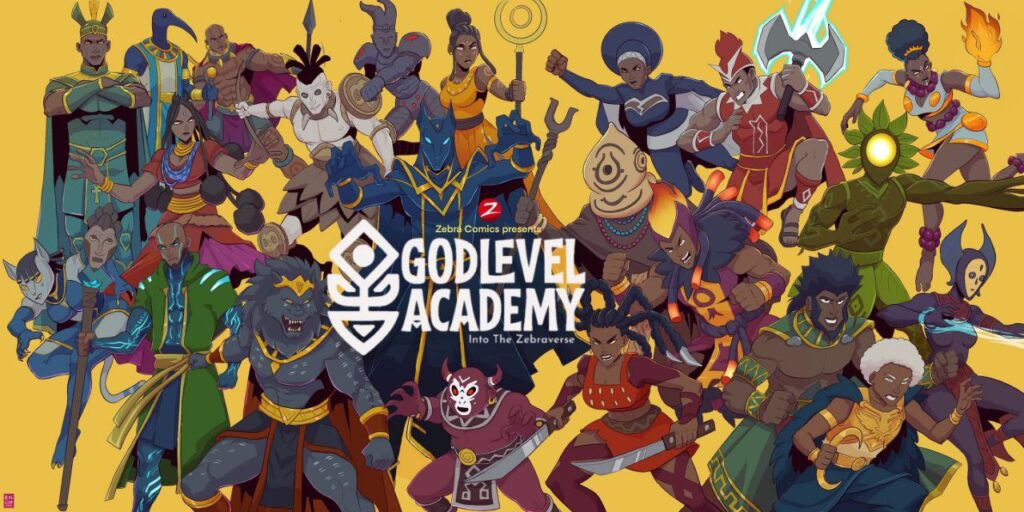
    But the world has changed. Legal platforms like MANGA Plus by Shueisha and WEBTOON exist. Africa itself has Zebra Comics, the continent’s largest homegrown digital comics ecosystem. Mobile payments now exist. Distribution exists. Infrastructure exists.

    Yet the habit of piracy — a habit formed before these systems existed — continues to hold back African storytelling.

    So let’s confront the central belief:

    Is manga piracy really cheap?

    Or is it simply a cost—personal and continental—that we refuse to acknowledge?

    Why African Comics Struggle to Grow

    African comics are not lacking in talent. They are suffocating under layers of structural and cultural obstacles.

    For decades:

    • African readers were conditioned to perceive digital stories as “free,” because illegal access was the only access.
    • Digital distribution was nearly nonexistent, leaving creators with no way to earn.
    • Governments provided no support, regulations, or infrastructure for the sector.
    • Readers lacked easy payment methods, even if they wanted to support creators.
    • And a subtle inferiority complex developed: manga and Western content were placed on pedestals so high that African comics were dismissed before being experienced.

    These forces formed a fragile ecosystem — one that piracy did not merely weaken, but nearly shattered.

    What Piracy Really Is — Beyond Illegality

    Legally, the answer is straight-forward. As global authorities remind us:

    • According to WIPO, piracy is a direct violation of international copyright law.

    But in Africa, piracy is not just a legal infraction — it is a cultural habit with generational consequences.

    When someone pirates:

    • an artist loses income,
    • a studio loses the ability to hire,
    • a publisher loses revenue needed to sustain operations,
    • platforms lose the resources needed to survive,
    • investors walk away,
    • and the creative economy suffers.

    Piracy is not just theft. It is erosion.

    Piracy Is Not Even Financially Cheap in Africa

    There is another truth African readers rarely consider:
    Piracy is financially expensive — even for the pirate.

    In a continent where mobile data is among the most expensive in the world (as highlighted by Cable.co.uk Global Data Pricing Reports), piracy becomes a hidden financial drain.

    To pirate manga, you must:

    • buy mobile data
    • search endlessly for illegal sources
    • load heavy, ad-cluttered pages
    • dodge pop-ups and malware
    • refresh for missing or late chapters
    • risk viruses that damage phones
    • waste hours searching for readable versions

    Every one of these steps consumes:

    • data,
    • time,
    • energy,
    • and mental peace.

    And the math is brutal:

    Readers often spend more on data loading illegal sites
    than they would on a clean, affordable subscription to Zebra Comics.

    The idea that piracy is “free” collapses instantly when you consider:

    • data costs,
    • device risks,
    • time costs,
    • emotional frustration,
    • and the instability of illegal websites.

    Piracy drains both the wallet and the soul.

    Legal reading, by contrast, is financially lighter, mentally smoother, and culturally constructive.

    Legal Reading: Cheaper, Safer, and Better for the Future

    Anyone searching for “read manga online legally” will discover multiple global platforms — but Africa has its own champion: Zebra Comics.

    A Zebra Comics subscription is often cheaper than the data burned on a single piracy session.

    With it, readers enjoy:

    • fast, clean, virus-free reading
    • high-quality chapters optimized for mobile
    • consistent weekly updates
    • safe, ad-free experience
    • support for African creators
    • access to original African stories
    • and the satisfaction of building the industry you want to see thrive

    Legal platforms do not just provide content.
    They build industries.

    They sustain creators.
    They create futures.

    Piracy cannot do that.

    FAQ

    1. Is manga piracy illegal in Africa?

    Yes. Manga piracy is illegal under international copyright law and is treated as intellectual property theft. African countries that are part of WIPO and the Berne Convention uphold these laws.

    2. Where can I read manga online legally?

    You can read manga legally on platforms like MANGA Plus, WEBTOON, and Zebra Comics for African content.

    3. Why is piracy harmful to African comics?

    Piracy deprives creators of income, weakens local studios, discourages investors, and slows the growth of the African creative economy.

    4. Is piracy really free?

    No. In Africa, piracy consumes expensive mobile data, exposes users to viruses, wastes time, and harms the industry. Legal options are cheaper and safer.

    5. What is the best platform to read African webtoons legally?

    Zebra Comics is Africa’s largest legal platform for reading African comics and webtoons.

    The Real Cost of Piracy: A Future Lost or a Future Built

    African comics could have been global by now.
    The talent exists. The myths exist. The passion exists.

    What has been missing is collective belief — belief that African stories deserve financial and cultural support.

    Every time someone asks, “Where to read free manga?”, an African creator is quietly defeated.
    Every time someone pirates, an African story loses its wings.

    Piracy feels free,
    but it is the most expensive choice Africa can make.

    To build the future we dream of — a future where African comics stand proudly alongside manga, Marvel, and K-drama — we must choose the path that builds.

    The cheapest way to read comics is to support the platforms that keep our stories alive.
    And the smartest way is to do it legally.

  • LA FOLIE MANGA ET L’IMPACT DU PIRATAGE SUR LA BANDE DESSINÉE AFRICAINE

    LA FOLIE MANGA ET L’IMPACT DU PIRATAGE SUR LA BANDE DESSINÉE AFRICAINE

    Auriez-vous imaginé qu’une grande partie de la Gen Z africaine s’identifierait davantage à Naruto qu’à des icônes comme Mansa Musa, Um Nyobé, le Sultan Ibrahim Njoya, Chaka Zoulou ou même Soundiata Keïta ?

    Et pourtant, traversez aujourd’hui un lycée, une faculté, un taxi ou un marché animé du continent, et vous verrez des bandeaux de Konoha, des stickers d’anime sur les téléphones, des discussions autour de One Piece, Demon Slayer ou Jujutsu Kaisen. Les figures historiques africaines se retrouvent en concurrence avec des héros japonais devenus symboles culturels d’une génération entière.

    Pourtant, pour beaucoup d’entre nous (millénial né dans les années 80), tout a commencé bien plus modestement.

    Je revois encore les trottoirs bruissants de Bamenda, où je feuilletais des Dragon Ball d’occasion vendus par des commerçants ambulants. Pages déchirées, couvertures usées, parfois scotchées… mais pour nous, c’était l’or pur. À l’école, ceux qui en possédaient un exemplaire étaient presque vénérés. On se les prêtait en secret.
    Personne n’aurait pu imaginer que cette fascination deviendrait un jour un phénomène continental.

    Aujourd’hui, le manga est un langage universel en Afrique, et paradoxalement, le piratage a contribué à cette explosion.

    Mais pendant que le manga prospère, la BD africaine lutte pour exister.

    COMMENT LA FOLIE MANGA A CONQUIS L’AFRIQUE

    Bien avant les applications numériques, l’anime s’était déjà invité dans nos foyers. Les chaînes satellitaires, en particulier les blocs francophones comme « MANGAS » diffusés en Afrique, ont permis aux jeunes de découvrir Goku, Naruto, Luffy et tant d’autres.
    Aujourd’hui encore, les médias francophones analysent ce phénomène, comme l’explique France 24 dans un reportage sur « L’essor de la culture japonaise en Afrique francophone » :

    Quand les smartphones sont arrivés, tout s’est accéléré : scans pirates, fansubs, groupes WhatsApp, plateformes illégales…
    Le manga n’était plus rare , il était omniprésent.

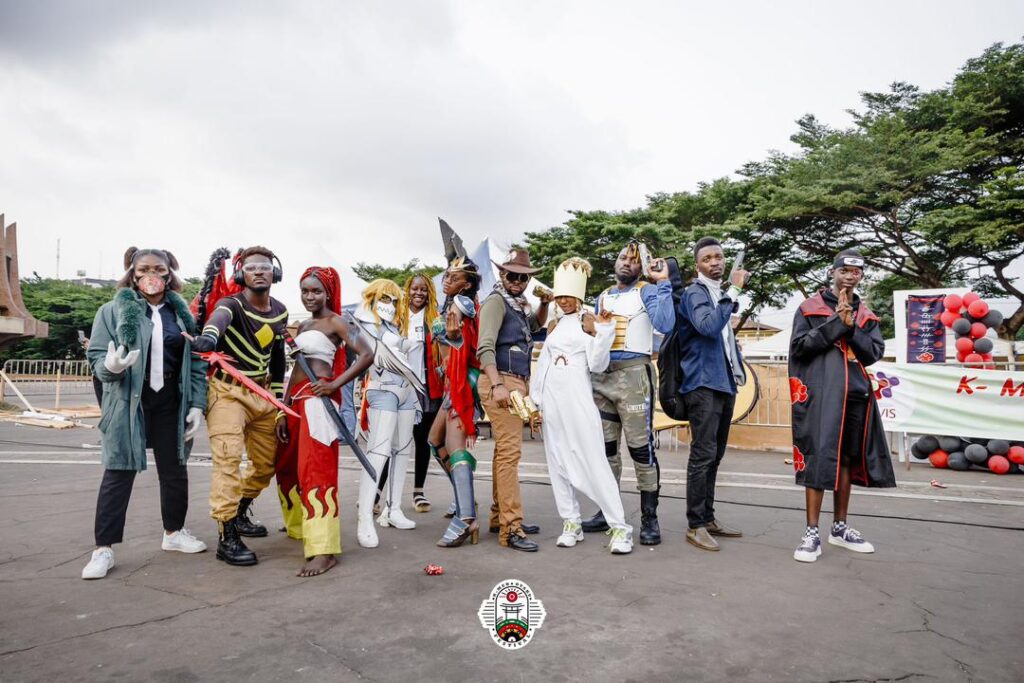
    Au Cameroun, le succès du K-mer Otaku Festival en est la preuve. L’édition récente attire entre 10 000 et 15 000 visiteurs passionnés :

    Partout en Afrique, les jeunes vibrent au rythme des mêmes titres. Le manga parle d’efforts, de fraternité, de chutes et de victoires — une énergie qui résonne profondément dans leur quotidien.

    LE COÛT POUR LES CRÉATEURS AFRICAINS

    Pendant que le manga prospère, la BD africaine paie le prix fort.

    Chez Zebra Comics PLC, pionnier des webtoons africains, un incident récent l’a démontré : des jeunes ont piraté des séries entières de l’application officielle et les ont repostées sur Facebook et Telegram.

    Lorsqu’on les a contactés, leur réaction était presque irréelle :

    « On vous aide. On vous fait de la pub. »

    Pour eux, ce n’était pas du vol. C’était normal.

    Ce n’est qu’après des menaces de poursuites judiciaires que le contenu a été retiré.

    Ce genre d’attitude révèle un problème profond :

    • Les créateurs africains sont constamment comparés au Japon.
    • On exige d’eux une qualité équivalente à celle d’industries ayant 70 ans d’avance structurelle.
    • On refuse de payer 50 ou 100 francs CFA, alors que des œuvres étrangères sont consommées gratuitement pendant des années.

    Les conséquences sont dramatiques :

    épuisement mental, séries abandonnées, studios freinés, talents découragés.

    LES BLESSURES INTIMES DU PIRATAGE

    Le piratage ne détruit pas seulement des revenus.
    Il détruit la confiance.

    Imaginez un jeune artiste qui adapte les contes de sa grand-mère en webtoon. Il passe des nuits entières à dessiner.

    Une semaine après, son œuvre apparaît sur un site pirate.

    Plus de crédit.
    Plus de contrôle.
    Plus de reconnaissance.

    Le piratage crée une génération habituée à consommer gratuitement — et qui considère l’art africain comme devant être gratuit aussi.

    C’est une prison mentale pour les créateurs.

    DES ALLIANCES PLUS FORTES : LA RIPOSTE MONDIALE

    Dans le monde francophone, la lutte s’organise.

    L’Afrique peut et doit s’inspirer de ces batailles.

    Nous devons construire :

    • Des coalitions entre éditeurs, gouvernements et plateformes.
    • Des lois adaptées au numérique.
    • Des campagnes de sensibilisation.
    • Des solutions de paiement simples (mobile money, micro-abonnements).

    L’AVENIR QUE MÉRITENT LES BD ET WEBTOONS AFRICAINS

    L’Afrique n’est pas en manque de créativité.
    L’Afrique n’est pas en manque d’histoires.
    L’Afrique n’est pas en manque de talent.

    Ce qui manque, c’est la protection et la valorisation.

    Mais l’avenir peut changer.

    Si les lecteurs acceptent de payer même 50 francs CFA,
    si les plateformes locales comme Zebra Comics et autres sont soutenues,
    si les écoles, festivals, médias et influenceurs encouragent les créateurs africains…

    Alors l’Afrique peut voir naître :

    • des IP originales mondialement connues,
    • des studios d’animation locaux,
    • des héros africains diffusés sur des plateformes internationales,
    • une industrie créative qui crée des milliers d’emplois.

    L’Afrique a toujours été une terre de récits.
    Du feu de camp aux webtoons, la narration fait partie de notre ADN.

    Le manga a eu son époque en Afrique.
    Maintenant, une nouvelle ère peut commencer.

    Le monde a grandi avec les mangas japonais.
    La prochaine génération peut grandir avec les webtoons africains.

    Article rédigé par Franklin Agogho

  • Why African Webcomics Shouldn’t Be Free

    Why African Webcomics Shouldn’t Be Free

    African webcomics are emerging as a vibrant and authentic medium for storytelling, cultural expression, and digital creativity. From sci-fi epics rooted in ancestral mythologies to slice-of-life dramas echoing everyday African realities, creators across the continent are redefining what comic art looks and sounds like from an African perspective. These stories are not just entertainment—they are reclaiming narratives, preserving languages, and showcasing diverse identities often overlooked in global media. Yet despite this creative explosion, many of these webcomics remain freely available, unsupported by a solid monetization structure. This disconnect poses a serious threat to the sustainability of the medium. For African webcomics to survive and grow, they must not be free. Audiences must begin to understand the importance of paying for the content they love—not only to reward talent but to build a thriving creative industry for Africa.

    1. Free Content Kills Quality and Sustainability

    Creating high-quality comics is time- and resource-intensive. Scripting, illustrating, coloring, editing, marketing—it all requires money, skill, and countless hours of work. If African creators are constantly expected to give this work away for free, the industry cannot grow beyond hobbyist levels. Monetization allows creators to produce better content more consistently. Without it, the pipeline dries up, artists burn out, and readers lose the very stories they enjoy.

    2. Free Undermines the Value of African Creators

    In much of the digital world, “free” has become the default expectation. But free content subtly tells audiences that the work—and by extension, the creator—isn’t worth paying for. This is especially harmful in Africa, where creative labor is often already undervalued. Charging for webcomics changes this narrative. It affirms that African creators are professionals, not volunteers. Just like musicians, filmmakers, or tech developers, comic artists deserve fair compensation for their contribution to culture and economy.

    3. No Payment, No Ecosystem

    A thriving creative ecosystem needs money flowing through it. Artists need to earn. Publishers need to grow. Tech teams need salaries. If webcomics remain free, there’s no incentive to invest in better platforms, marketing, printing, or cross-media expansion. Monetization creates a virtuous cycle—where readers fund creators, who then produce better content, which attracts more readers and fuels the industry. This is how anime, K-drama, and global comics industries exploded. Africa must do the same.

    4. It’s Not Just About Profit. It’s About Survival.

    This isn’t about greed—it’s about survival. Most African webcomic artists work without grants, government funding, or robust advertising ecosystems. They operate in economies where digital payments are still developing. Asking for even small payments—100F CFA here, $1 there—can make the difference between giving up and going full-time. Monetization allows creators to stay in the game and keep building the stories that matter.

    5. Readers Must Share the Responsibility

    If we want more African stories, we must support the people creating them. Readers cannot continue to demand high-quality content while refusing to pay for it. African webcomics are often cheaper than foreign content, mobile data is improving, and platforms are introducing more flexible payment methods (like mobile money). It’s time for readers to step up and recognize that even a small payment goes a long way in sustaining the work they love.

    6. Free Content Limits Global Potential

    Monetized webcomics serve as proof-of-concept for international publishers, streaming services, and distributors. A story that earns revenue locally is easier to sell globally. Free content, no matter how great, lacks data to prove its commercial viability. If Africa wants to export its stories to the world—and it should—then creators must be able to show that people at home are already paying for them.

    7. Free Comics Can’t Compete with Big Budget Giants

    In a world where Marvel, DC, Webtoon, and MangaPlus release polished, monetized comics weekly, African creators must compete with giants. The only way to stand a chance is by leveling up—visually, narratively, and technologically. That upgrade costs money. Keeping comics free means local creators are fighting with one hand tied behind their backs.

    Conclusion: Free is Not Freedom

    Free access might feel generous—but it comes at a cost. The cost is creative burnout, unfinished stories, stagnant platforms, and a future where African narratives are drowned out by better-funded foreign imports. If Africa wants to control its cultural narrative, empower its creators, and build a true creative economy, then webcomics cannot remain free.

    Pay for the stories. Support the artists. Build the future.

review resume writing services